

Grey Goose Font: The key to effortlessly elegant and sophisticated design is understanding its unique characteristics and how to integrate them. This guide explores its refined aesthetic, ideal applications, and how to find and use it effectively for a touch of luxury in your projects.
Ever scrolled through stunning branding or elegant invitations and wondered, “What’s that font?” Sometimes, a typeface just has that certain je ne sais quoi – a sophisticated charm that elevates ordinary text into a work of art. This is often the case with fonts that evoke a sense of luxury and refined taste. Finding the perfect font can feel like a treasure hunt, especially when you’re aiming for a high-end look without feeling overwhelmed. But what if there was a typeface that offered effortless brilliance, turning your designs from good to absolutely gorgeous? We’re here to guide you through it, demystifying the allure of fonts that capture that premium feel. Get ready to discover how to bring a touch of pure design magic to your next project, easily.
What is the Grey Goose Font? Unveiling Its Design DNA

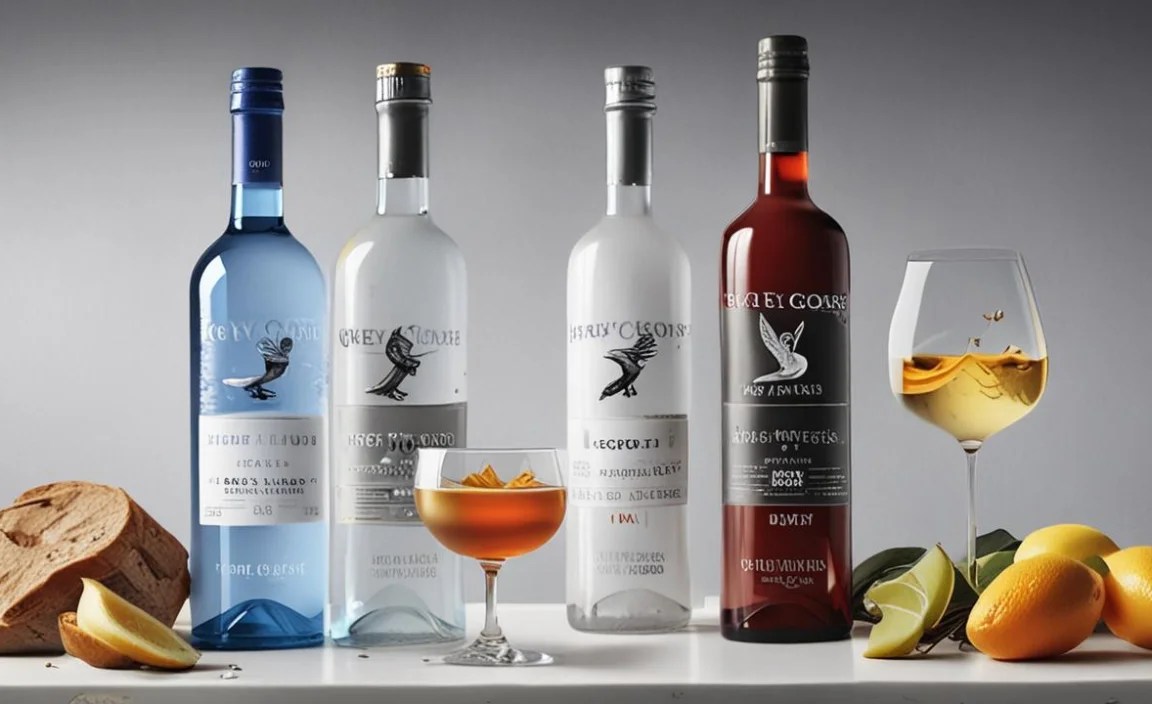
When we talk about the “Grey Goose Font,” we’re not referring to a single, officially named typeface released by the vodka brand itself. Instead, the term usually points to font styles that mimic the sophisticated, classic, and slightly opulent aesthetic often associated with the premium Grey Goose vodka branding. These fonts tend to embody a sense of heritage, quality, and understated luxury.
Think of it as a style or a vibe rather than a specific font file. The Grey Goose brand itself often uses custom lettering or carefully selected fonts that feature:
- Serifs: These small decorative strokes at the end of letterforms add a touch of tradition and formality. They can range from delicate and fine to more pronounced, contributing to a classic feel.
- Elegant Strokes: The thickness of the lines within the letters is often varied, creating a sense of movement and grace. This contrast in stroke weight adds depth and visual interest.
- Classic Forms: The letter shapes are typically well-proportioned and balanced, avoiding overly modern or quirky elements. They lean towards timeless readability.
- A Touch of Flair: Occasionally, these fonts might include subtle flourishes or ligatures (where two letters are joined) that enhance their unique character without becoming distracting.
The goal is to achieve a look that is both prestigious and inviting, suggesting premium quality and refined taste. It’s the kind of typography that whispers sophistication rather than shouting it.
Why Choose a “Grey Goose” Style Font for Your Designs?

The appeal of this design aesthetic is undeniable, especially in certain contexts. If you’re aiming for a brand image that speaks of luxury, exclusivity, or a timeless quality, adopting a font that aligns with the Grey Goose style can be incredibly effective. Here’s why it works:
- Conveys Premium Quality: The inherent elegance of these fonts instantly positions your brand or project as high-end and sophisticated.
- Timeless Appeal: Unlike fleeting trends, classic serif fonts with refined elements tend to age well, offering a sense of enduring style.
- Enhances Readability: Many fonts in this category are designed with excellent legibility in mind, ensuring your message is clear even with their decorative touches.
- Versatility for Specific Industries: This style is particularly potent for luxury goods, fine dining, spirits, high-end retail, wedding invitations, and elegant editorial content.
- Builds Trust and Credibility: A well-chosen, classic font can subconsciously signal trustworthiness and established quality to your audience.
It’s about creating a sensory experience through typography, aligning the visual language with the perceived value of your offering.
Finding Fonts with the “Grey Goose” Vibe: Tools & Resources

Since “Grey Goose Font” isn’t a single downloadable file, the journey involves exploring font libraries to find typefaces that capture that specific essence. Fortunately, many excellent resources are available, offering a wide array of fonts that fit the bill. Here are some top places to look and what to search for:
Reputable Font Marketplaces and Libraries:
- Google Fonts: A fantastic free resource offering a vast collection of high-quality, open-source fonts. You can often find elegant serifs here that fit the style.
- Adobe Fonts: If you have an Adobe Creative Cloud subscription, you get access to an extensive library of premium fonts, many of which are perfect for achieving a luxurious feel.
- MyFonts: One of the largest marketplaces for commercial fonts. You’ll find an incredible variety, from well-known classics to newer, more unique designs.
- Fontspring: Another excellent marketplace known for its broad selection and flexible licensing options.
- Creative Market: A popular platform for designers to buy and sell creative assets, including a wide range of unique and stylish fonts.
Keywords to Use in Your Search:
When browsing these sites, use terms that describe the aesthetic you’re after:
- “Classic Serif”
- “Elegant Serif”
- “Luxury Font”
- “Premium Font”
- “Sophisticated Serif”
- “Modern Serif” (some contemporary serifs can also fit)
- “Timeless Serif”
- “Advertising Serif”
Examples of Fonts that Evoke the “Grey Goose” Style:
While the exact Grey Goose branding might use custom work, many commercially available fonts share its refined DNA. Here are a few types and specific examples that often come up when looking for this sophisticated feel:
| Font Category | Key Characteristics | Examples (May Vary in Availability/Licensing) |
|---|---|---|
| Classic / Transitional Serifs | Balanced stroke contrast, refined terminals, excellent readability, traditional feel. | Garamond, Baskerville, Times New Roman (though common, its elegance is undeniable), Adobe Garamond Pro |
| Modern Serifs | Higher stroke contrast, often geometric forms, sharp or bracketed serifs, can feel very chic. | Didot, Bodoni, Playfair Display (Google Fonts), Canela |
| Elegant Display Serifs | Designed for headlines and short text, often with more pronounced decorative elements or unique flourishing. | Cinzel Decorative, Cormorant Garamond, Unna |
| Slightly Stylized Serifs | Serifs with a bit more character or a unique twist, offering personality while maintaining elegance. | Butler, EB Garamond, Libre Baskerville |
Remember to check the specific licensing for any font you consider using, especially for commercial projects. Websites like Google Fonts offer open-source licenses like the Open Font License (OFL), which are generally very permissive.
How to Use “Grey Goose” Style Fonts for Maximum Impact

Simply choosing a beautiful font isn’t enough; understanding how to wield it is key to unlocking its full potential. When aiming for that effortless design brilliance, consider these strategic applications:
1. Branding and Logos
This is where a sophisticated serif truly shines. A well-crafted wordmark or logo using a timeless serif font can instantly communicate a brand’s commitment to quality and heritage. Use it for:
- Luxury product companies (spirits, fashion, jewelry)
- High-end restaurants and cafes
- Event planners (especially for weddings and formal events)
- Financial institutions aiming for stability and trust
Tip: For logos, consider custom lettering or a carefully selected font that avoids overused typefaces. Ensure it scales well from tiny favicon size to large signage.
2. Website Design
While body text on websites often benefits from simpler, more utilitarian sans-serif fonts for maximum readability on screens, a Grey Goose style font can be a showstopper for:
- Headings and Subheadings: Draw attention to key information and add a touch of class.
- Hero Sections: For the main banner text on your homepage, a distinctive serif can make a powerful first impression.
- Call-to-Action Buttons (Used Sparingly): If the overall brand is very elegant, a serif CTA can work, but always test for legibility.
- Quote Blocks: Emphasize testimonials or important quotes with a distinguished typeface.
Tip: Pair your chosen serif with a clean, readable sans-serif font for body copy to ensure a balanced and accessible user experience. This contrast is crucial for modern web design.
3. Print Materials
Print is a natural home for elegant serifs:
- Invitations and Stationery: For weddings, galas, or formal announcements, these fonts are almost a default choice for their inherent charm.
- Brochures and Catalogs: Especially for luxury goods or services, they enhance the perceived value.
- Book Covers and Editorial Layouts: Magazines and book publishers often use elegant serifs to convey a sense of authority and sophistication.
Tip: Pay attention to leading (line spacing) and kerning (space between letters) in print to ensure the text feels airy and luxurious, not cramped.
4. Display and Packaging
When you need text to make a statement, a bold or stylized serif can be incredibly effective:
- Product Packaging: For premium food items, cosmetics, or artisan goods.
- Signage: Elegant shop signs or directional signs in upscale venues.
- Art Prints and Posters: For creating a specific mood or aesthetic.
Tip: Ensure sufficient contrast with the background. A light-colored font on a dark, rich background, or vice versa, can create a striking effect.
Best Practices for Pairing and Usage
To achieve effortless brilliance, it’s not just about the font itself, but how it interacts with other elements:
- Contrast is Key: Pair your chosen elegant serif with a clean, simple sans-serif font. This creates visual hierarchy and ensures readability. For example, pairing something like Playfair Display (serif) with Open Sans (sans-serif) works beautifully. Check out resources like Typographic Design for insights on pairing.
- Less is Often More: Don’t overuse the same sophisticated font. Reserve it for headings, logos, or key statements. Let simpler fonts handle the bulk of the text.
- Master Spacing: Pay close attention to line height (leading) and letter spacing (kerning and tracking). Generous spacing often contributes to a feeling of luxury and refinement.
- Color Palette Matters: Surround your typography with a complementary color scheme. Deep blues, emerald greens, rich burgundies, or sophisticated neutrals like charcoal grey often pair well with elegant serifs.
- Context is Crucial: Always consider your audience and the message you want to convey. An overly ornate serif might not be suitable for a tech startup, but perfect for a wine brand.
Common Pitfalls to Avoid
Even with the most beautiful fonts, designers can stumble. Here are common mistakes to steer clear of:
- Overuse of Decorative Fonts: Using a highly stylized serif for body text can quickly become illegible and overwhelming.
- Poor Contrast: Placing light text on a light background, or dark on dark, makes both readability and the font’s impact suffer.
- Ignoring Legibility: Some fonts look stunning but are difficult to read, especially at small sizes or on screens. Prioritize clarity.
- Inconsistent Kerning/Leading: Uneven spacing between letters or lines looks unprofessional and detracts from the design’s polish.
- Using Generic Fonts Without Consideration: While common fonts like Times New Roman are classic, using them without a specific stylistic intent can make a design feel uninspired.
FAQ: Your “Grey Goose Font” Questions Answered
What exactly is the “Grey Goose Font”?
The “Grey Goose Font” isn’t one specific font. It refers to a style of typeface that mimics the sophisticated, classic, and luxurious aesthetic seen in Grey Goose vodka’s branding. These are typically elegant serif fonts.
Where can I find fonts that look like the Grey Goose typography?
You can find similar fonts on major font marketplaces like MyFonts, Fontspring, and Creative Market, as well as free resources like Google Fonts and Adobe Fonts. Use keywords such as “elegant serif,” “luxury font,” or “classic serif” in your search.
Is it a good idea to use a serif font for my logo?
Absolutely! Serif fonts can lend an air of tradition, sophistication, and trustworthiness to a logo, particularly for brands in luxury, finance, or heritage industries. Just ensure it’s legible and unique.
How can I make a serif font look modern and not old-fashioned?
Pair a serif font with modern design elements like clean layouts, contemporary color palettes, and ample white space. Look for “modern serif” typefaces with high contrast or geometric influences. Using them for headlines rather than body text can also feel more current.
What kind of designs are best suited for an elegant serif font?
Elegant serif fonts are ideal for luxury branding, wedding invitations, high-end editorial content, fine dining establishments, and anything aiming for a timeless, sophisticated, or premium feel.
How do I properly pair an elegant serif font with another font?
The most common and effective pairing is with a clean, simple sans-serif font. Use the serif for headlines and display text to add elegance, and the sans-serif for body copy to ensure readability. Ensure good contrast in weight and style.
Conclusion: Mastering Typography for Timeless Elegance
The pursuit of “Grey Goose Font” brilliance is really about harnessing the power of timeless typography to imbue your designs with sophistication and prestige. By understanding the characteristics that define this elegant style—classic serifs, refined stroke variations, and a sense of heritage—you can confidently select and implement fonts that elevate your brand or project.
Remember, the key isn’t just finding the “right” font, but using it strategically. Pair it wisely with complementary sans-serifs, pay meticulous attention to spacing and color, and always consider your audience and context. Whether you’re crafting a luxury brand identity, designing a wedding invitation, or revamping a website, employing these principles will ensure your typography not only looks beautiful but also communicates your intended message with effortless grace and enduring appeal.
So go forth and explore the world of elegant serifs. With a bit of practice and a discerning eye, you’ll be well on your way to achieving that coveted design brilliance, effortlessly.


Leave a Comment