

The Grid Legends font offers a unique, dynamic aesthetic perfect for educational materials that aim to be engaging and modern. It provides a bold, distinctive look that can help information stand out, making it memorable for students when used thoughtfully.
Ever felt like your educational content is a bit… dull? Choosing the right font can feel like a puzzle, especially when you want to grab students’ attention. The “Grid Legends” font might sound like something out of a video game, but it’s a fascinating typeface with surprising applications for learning. It’s all about making information pop and making your teaching materials feel fresh and exciting. Let’s explore how this distinct font can become a secret weapon in your educational toolkit. We’ll break down its best uses, offer practical tips, and show you how to make it work for you. Get ready to transform your lesson plans and presentations!
Understanding the Grid Legends Font: A Designer’s Perspective

The Grid Legends font, at its core, is a display typeface. This means it’s designed for impact, often seen in headlines, titles, and short bursts of text where visual appeal is paramount. Its key characteristic is its geometric, often angular, construction, sometimes incorporating subtle “glitch” or stencil-like elements that give it a futuristic or architectural feel. Think sharp lines, clear, defined shapes, and a robust presence on the page. It’s not typically a font you’d write an entire essay in, but for key information, it’s a powerhouse.
When we talk about fonts like Grid Legends, we’re usually looking at something that breaks away from traditional serif or sans-serif styles. Its design often draws inspiration from digital interfaces, sci-fi movie titles, or modern branding that seeks to convey innovation and impact. This contemporary vibe makes it an excellent candidate for subject matter that is forward-thinking or technical, but it can also add a surprising lift to more conventional topics.
Key Characteristics of Grid Legends
- Geometric Construction: Built on precise shapes and angles, giving it a clean, structured look.
- Bold and Impactful: Designed to be seen, it commands attention.
- Modern and Futuristic: Often carries a contemporary or slightly edgy aesthetic.
- Legible in Short Bursts: While not for body text, it excels in titles, subheadings, and call-outs.
- Potential for Unique Stylizations: Some variants might include stencil cuts or distressed effects for added personality.
Why Grid Legends is a Great Choice for Educational Materials

Education isn’t just about conveying facts; it’s about engagement. In a world saturated with visual stimuli, a compelling font can be the first step in capturing a student’s attention. The Grid Legends font, with its distinctive appearance, can help your educational materials stand out from the crowd, making them more appealing and memorable.
Consider a history lesson introducing a new era, a science module on advanced concepts, or even a math class exploring geometry itself. The sharp, defined nature of Grid Legends can visually echo the precision or forward-thinking aspects of the subject matter. It can signal that what follows is important, exciting, or requires focused attention. This isn’t just about looking cool; it’s about strategically guiding the learner’s eye and mind.
Boosting Engagement and Readability
When used appropriately, Grid Legends can:
- Differentiate Key Information: Use it for chapter titles, quiz questions, or important terms to make them instantly recognizable.
- Inject Modernity: Update the look of presentations, worksheets, or digital learning modules with a contemporary typeface.
- Create a Thematic Link: For subjects like technology, engineering, or futuristic studies, the font’s aesthetic can perfectly align with the content.
- Improve Visual Hierarchy: By using a strong display font for titles, you help learners quickly scan and understand the structure of your material.
Essential Tips for Using Grid Legends in an Educational Context
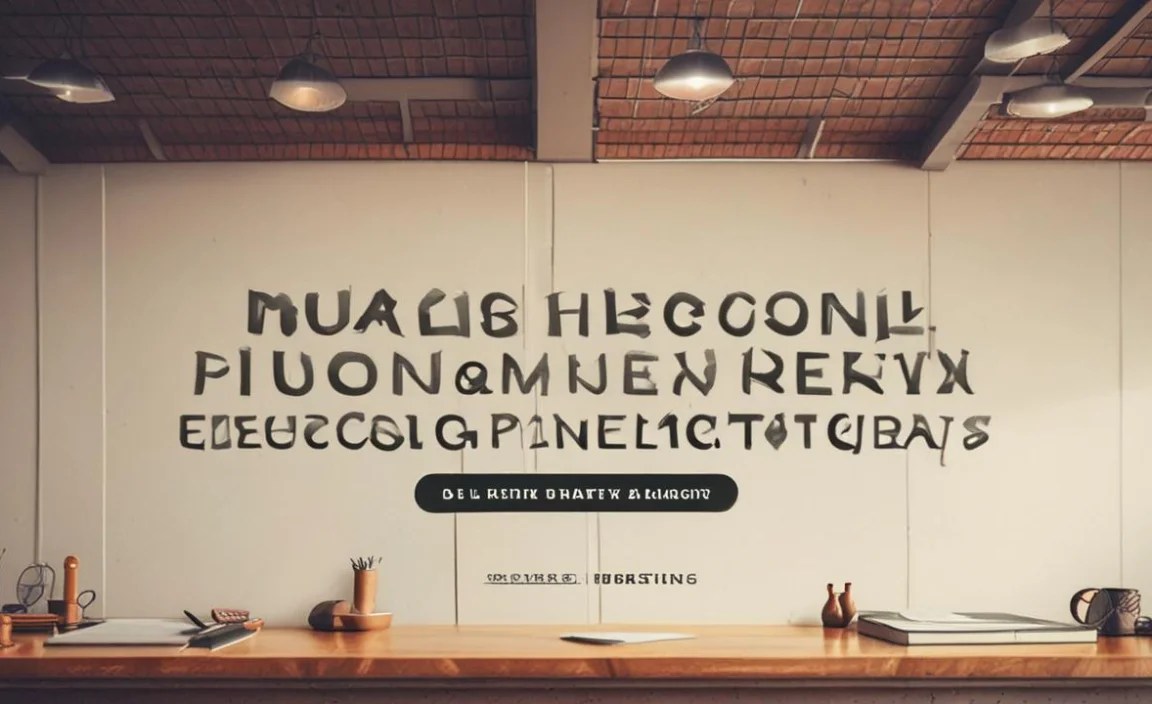
The power of Grid Legends lies in its strategic application. Like any strong visual element, overusing it can dilute its impact or even hinder readability. The key is to use it as an accent, a way to highlight and emphasize, rather than as a primary text font.
Think of it as the spotlight in a stage play. You don’t shine it on every actor; you use it to draw attention to the main action at crucial moments. This approach ensures that when Grid Legends appears, it has maximum effect and guides the learner exactly where you want them to focus.
Best Practices for Application
- Use for Headlines and Titles: This is Grid Legends’ sweet spot. It’s perfect for chapter titles, section headers, and main topic announcements.
- Highlight Key Terms and Definitions: When introducing a new vocabulary word or a crucial concept, styling it in Grid Legends can make it pop on the page.
- Incorporate in Infographics: For titles or key data points within an infographic, its bold nature can make figures and labels stand out.
- Design Chapter or Section Openings: A strong title in Grid Legends at the start of a new unit can set an engaging tone.
- Use Sparingly on Worksheets: For question numbers, critical instructions, or unique prompts, a touch of Grid Legends can add visual interest without overwhelming.
- Pair with a Readable Body Font: This is crucial. Always pair Grid Legends with a simple, highly legible font (like Open Sans, Lato, or Roboto) for all explanatory paragraphs and detailed content. More on this below!
Pairing Grid Legends: The Art of Complementary Fonts

Once you’ve decided to use Grid Legends for your impactful moments, the next crucial step is selecting a partner font for your main text. This is where readability truly takes center stage. A font designed for impact, like Grid Legends, is rarely ideal for extended reading. Your body text needs to be clear, comfortable, and accessible for students to absorb information smoothly.
The goal of pairing is to create contrast that benefits both fonts. Grid Legends provides the visual flair, while the body font provides the foundation for learning. They should complement each other, not compete.
Recommended Body Font Pairings for Grid Legends
When choosing a body font to accompany the bold, geometric style of Grid Legends, opt for something that offers excellent readability and a neutral, approachable tone. Sans-serif fonts generally work best as they share a similar clean, modern foundation with Grid Legends.
| Grid Legends (Display/Headline Font) | Recommended Body Font | Why They Work Together |
|---|---|---|
| Grid Legends (Bold, Geometric) | Open Sans (Regular or Light) | Its clean lines and open letterforms ensure maximum readability. Its friendly, neutral tone balances Grid Legends’ strong personality. |
| Lato (Regular or Light) | Lato is known for its warmth and clarity. Its semi-rounded details offer a comfortable reading experience, contrasting nicely with Grid Legends’ sharp edges. | |
| Grid Legends (Modern, Angular) | Roboto (Regular or Medium) | A versatile font that balances mechanical and friendly elements. It’s highly readable on screens and in print, providing a stable base for Grid Legends. |
| Source Sans Pro (Regular or Semibold) | Designed for user interfaces, it prioritizes readability. Its clear, upright stress and open counters make it an excellent choice for longer texts. |
The key here is to maintain a consistent aesthetic while ensuring functionality. The body font should be easy on the eyes, allowing students to focus on the content without distraction. When designing, always use the body font for all paragraphs, explanations, and detailed instructions. Reserve Grid Legends for those strategic, attention-grabbing moments.
Where to Find and Use Grid Legends

Grid Legends is a popular display font, and finding it is generally straightforward. Many font foundries and marketplaces offer it, and sometimes it’s even included in broader font bundles. Keep an eye out on platforms like:
- MyFonts: A comprehensive source for commercial fonts.
- FontSpring: Another excellent marketplace for font licenses.
- Google Fonts: While the exact “Grid Legends” might not be there, similar geometric, impactful fonts can be found that serve a similar purpose. For example, look into families like “Orbitron” or “Michroma” for a similar feel.
- Adobe Fonts: If you have an Adobe Creative Cloud subscription, you have access to a vast library of high-quality fonts, where you might find variations or similar styles.
When you acquire the font, you can use it in a variety of software applications common in educational settings and design work:
- Microsoft PowerPoint/Google Slides: For presentations, simply install the font on your computer and select it from the font dropdown menu.
- Microsoft Word/Google Docs: Use it for titles and section headers in documents, handouts, or lesson plans.
- Adobe Creative Suite (Photoshop, Illustrator, InDesign): For more professional design layouts, flyers, or digital assets, these programs offer robust typography controls.
- Learning Management Systems (LMS): If your LMS allows for custom branding or content creation, you might be able to upload custom fonts or use them if they are web-safe.
Always check the font’s license to ensure it permits use in your intended educational context, whether it’s for print, web, or commercial products. Many fonts have specific licenses for personal, educational, or commercial use.
Designing with Grid Legends: Practical Application Examples
Let’s visualize how Grid Legends can transform different educational materials:
Example 1: Science Presentation Slide
Title: THE CELLULAR MATRIX
Body Text: (Written in Open Sans Regular, 12pt) The cytoplasm is a jelly-like substance filling the cell. It consists of cytosol, organelles, and various inclusions. Cytosol is mostly water, with a salty solution and organic molecules dissolved within it. Organelles are specific structures within the cell that perform particular functions.
Here, Grid Legends instantly highlights the topic. The clean, scientific look of the font aligns perfectly with a biology lesson. Open Sans ensures the detailed explanation is easy to read.
Example 2: History Worksheet
Section Header: THE ROARING TWENTIES
Question 1: Describe two major social changes that occurred during this period.
Answer Space: (Blank lines for student response)
Additional Note: (Written in Lato Regular, 10pt) Consider changes in fashion, music, and technology.
Grid Legends adds a punch to the historical era title, making it feel significant. Using it for a question number or the question itself draws immediate attention. The smaller “Additional Note” in a legible font provides context without competing.
Example 3: Technology Workshop Flyer
Main Title: INTRODUCTION TO CODING
Subtitle: LEVEL UP YOUR SKILLS
Details: (Written in Roboto Medium, 11pt) Join our introductory workshop to learn the fundamentals of Python and web development. No prior experience necessary! Dates: Oct 20-22. Location: Innovation Hub. Register by Oct 15.
Call to Action: REGISTER NOW!
The strong, tech-oriented feel of Grid Legends makes it ideal for promoting a coding workshop. It conveys a sense of modernity and excitement. The subtitle and call to action further emphasize key information.
Accessibility Considerations with Grid Legends
While Grid Legends offers a unique aesthetic, it’s vital to consider accessibility, especially in educational materials that cater to a diverse range of learners. For students with visual impairments or dyslexia, highly decorative or condensed fonts can be challenging.
When using Grid Legends:
- Prioritize Body Text Readability: As emphasized, always use a highly legible, standard font for all substantial blocks of text.
- Ensure Sufficient Contrast: Make sure there’s enough contrast between the font color and the background, regardless of which font you’re using. High contrast ratios are crucial for readability. Tools like the WebAIM Contrast Checker can help you verify this.
- Avoid Overcrowding: Don’t cram too much text or too many visual elements around headings that use Grid Legends. Give the font space to breathe.
- Consider Font Variants: Some versions of display fonts might have very thin strokes or intricate cutouts, which can be problematic for some readers. Opt for clearer, bolder versions if available.
- Provide Alternatives: If creating digital content, consider offering a version with simpler typography or allowing users to adjust font sizes and styles.
The goal is to make learning accessible to everyone. Grid Legends can be a fantastic tool to add visual interest, but it shouldn’t compromise the ability of any student to access and understand the educational content.
Frequently Asked Questions about Grid Legends Font for Education
Q1: What is the Grid Legends font best used for in education?
A1: Grid Legends is best used for headlines, titles, section headers, and to highlight key terms or important calls to action. It’s a display font, meant for impact in short bursts of text, not for paragraphs.
Q2: Can I use Grid Legends for the entire text of my lesson?
A2: No, it is highly recommended not to use Grid Legends for body text. It is a display font designed for headings and is not comfortable or legible for extended reading. Always pair it with a clear, readable body font.
Q3: What kind of subjects is Grid Legends suitable for in education?
A3: It’s excellent for subjects that benefit from a modern, technological, or futuristic feel, such as STEM fields (Science, Technology, Engineering, Math), computer science, design, or even modern history topics.
Q4: How important is it to pair Grid Legends with another font?
A4: It’s extremely important. Pairing Grid Legends with a legible body font ensures that your educational materials are both visually engaging for titles and easy to read for content. It creates visual hierarchy and improves the overall learning experience.
Q5: Are there free fonts similar to Grid Legends that I can use for educational projects?
A5: Yes, while Grid Legends itself might require purchasing a license, you can find similar geometric, impactful fonts on platforms like Google Fonts. Search for terms like “geometric display font,” “modern sans-serif,” or explore fonts such as “Orbitron,” “Michroma,” or “Quantico” for a comparable style and feel in educational settings.
Q6: How can Grid Legends help with student engagement?
A6: Its bold and distinct style can help capture students’ attention, making key information stand out. This visual distinction can make learning materials more memorable and interesting, especially for topics that might otherwise seem dry.
Conclusion: Making Your Educational Content Shine
The Grid Legends font is a powerful tool for educators and designers looking to inject a dose of modern dynamism into their learning materials. Its geometric structure and bold presence make it ideal for titles, headlines, and crucial highlights that need to grab attention and convey importance. Remember, the secret to its success in education lies not just in its distinct look, but in its thoughtful application. By strategically using Grid Legends for impact and pairing it with a highly readable body font like Open Sans, Lato, or Roboto, you create a visual balance that enhances both engagement and comprehension.
Don’t shy away from experimenting with this typeface. Use it to announce new topics with a bang, define critical terms with clarity, or simply to give your digital or printed lessons a revitalized, forward-thinking aesthetic. When used wisely, Grid Legends can transform ordinary educational content into something truly engaging and memorable, helping your students focus, learn, and even feel a touch more inspired. Happy designing!


Leave a Comment