

Identifying the exact “Hells Angels Logo Font” is tricky as it’s a custom design, not a readily available typeface. However, fonts that capture its distinctive, bold, often slightly distressed, and impactful sans-serif or gothic style are ideal for achieving a similar aesthetic. Explore classic sans-serifs with strong character or gothic-inspired fonts for that aggressive, iconic feel.
Ever stopped to admire the iconic Hells Angels logo and wondered about the font? It’s a symbol recognized worldwide, instantly conveying power and rebellion. But pinpointing the exact typeface can be a head-scratcher, especially for designers and enthusiasts trying to capture that vibe. Many assume it’s a standard font, but the reality is often more intricate.
Don’t worry if you’re feeling a bit lost! This guide is here to demystify the Hells Angels logo font. We’ll break down its characteristics, explore similar font styles you can use, and give you the tools to make informed font choices for your own projects. Get ready to understand what makes that logo so impactful and how you can harness similar design principles.
Decoding the Hells Angels Logo Font: Visual Characteristics
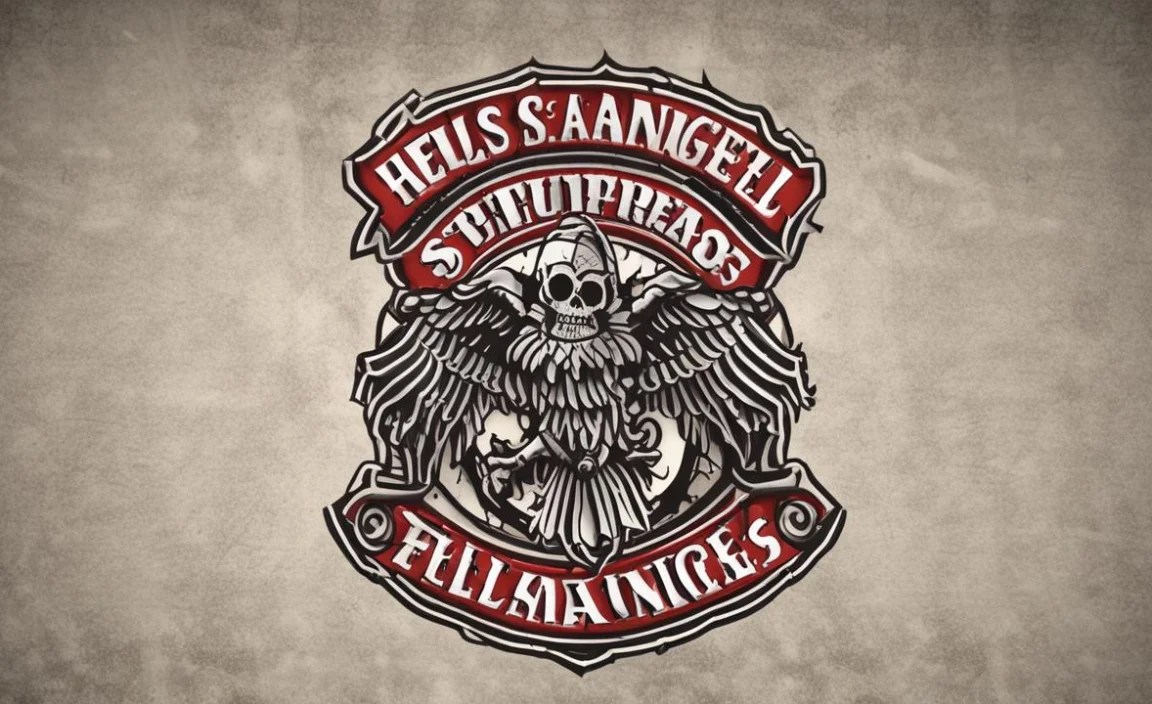
The Hells Angels logo is a masterclass in impactful branding. Its visual identity is built around a striking font that’s both intimidating and memorable. While it’s widely believed to be custom-designed or heavily modified, we can identify several key characteristics that define its style. Understanding these elements is crucial for finding similar fonts or appreciating the original design’s power.
The primary font used in the Hells Angels logo is a bold, sans-serif typeface. It’s characterized by sharp, clean lines, a robust weight, and significant letter spacing. The letters possess a strong, almost aggressive presence, avoiding any fussy details or decorative flourishes. This simplicity is key to its readability and immediate impact.
Here are some of the defining visual traits:
- Bold Weight: The font is undeniably thick and heavy, standing out clearly even from a distance. This contributes to its authoritative and commanding feel.
- Sans-Serif Style: It lacks serifs (the small decorative strokes at the ends of letters), giving it a modern and direct appearance.
- Capitalization: Primarily uses all capital letters, which enhances its impactful and unified look.
- Letterform Shapes: The letters often have slightly condensed proportions with strong vertical strokes and distinctive apexes on letters like ‘A’ and ‘N’. Some analysis suggests influences from distressed or gothic styles, adding a rugged edge.
- Impactful Spacing: The kerning (space between letters) is carefully considered to balance the visual weight of each character, creating a solid, block-like presence.
These attributes combine to create a logo that is instantly recognizable and carries a powerful, unyielding message. It’s not just a word; it’s a statement. This aesthetic is often associated with:
- Strength and Power
- Rebellion and Non-conformity
- Aviation/Aerospace (given the “Wings” aspect of the club’s imagery)
- A classic, enduring style
Why Finding the “Exact” Hells Angels Logo Font is Difficult

Many people search for the “Hells Angels Logo Font” only to find that no single, commercially available typeface perfectly matches it. This is a common scenario for iconic logos developed before the digital age or those created by specialized design studios for a specific brand identity. The process of logo creation often involves custom lettering or significant modifications to existing fonts.
Here’s why it’s a challenge:
- Custom Design: It’s highly probable that the Hells Angels logo font was custom-drawn or heavily modified from an existing font to create something unique. This was a common practice for prominent brands and organizations to ensure exclusivity and a distinctive visual identity.
- Historical Context: The logo was conceived decades ago, when digital font libraries were not as extensive or accessible as they are today. Designers often relied on hand-lettering or significant alterations to phototype fonts.
- Evolution of the Logo: While the core elements remain, logos can undergo subtle refinements over time. Any perceived variations might arise from these minor updates or different applications of the design.
- Brand Secrecy and Rights: The specific creation details of such a well-known and sensitive logo are not generally public knowledge. Protecting intellectual property often means keeping exact design specifications private.
Because of these factors, striving to find an exact match can lead to frustration. The true value lies in understanding the spirit and style of the font and finding alternatives that evoke a similar feeling and visual impact.
Approximating the Hells Angels Logo Font: Fonts to Consider

While an exact match might be elusive, you can absolutely achieve a similar aesthetic by exploring fonts that share the core characteristics of the Hells Angels logo. The goal is to find typefaces that embody boldness, a strong sans-serif structure, and an impactful presence. These fonts are versatile and can be used for branding, headlines, or any design where you need a powerful statement.
Here are some font categories and specific examples that come close:
1. Robust Sans-Serifs
These fonts offer the clean, bold lines and commanding presence without any embellishments. They are the most direct route to mimicking the style.
Recommended Fonts:
- Agency FB Bold: This condensed sans-serif has a strong, utilitarian feel, often associated with military or technical signage. Its upright stance and solid weight are very similar to the logo’s feel.
- Impact: A classic for a reason, Impact is extremely bold and condensed, designed to grab attention. While it can sometimes feel a bit overused, its sheer presence is undeniable and close to the desired effect.
- Bebas Neue: A popular free alternative, Bebas Neue is a sans-serif font designed for headlines. Its tall, narrow figures and bold weight make it highly impactful and readable, especially in all caps.
- Oswald Bold: Another excellent, versatile sans-serif. Oswald is inspired by older 20th-century styles and offers a condensed, upright form that’s very strong and clear.
- Anton: This is a very condensed and extremely bold sans-serif font. It’s designed for maximum impact in tight spaces and shares that blocky, powerful feel.
2. Gothic or Blackletter-Inspired Fonts (with caution)
Some interpretations of the Hells Angels logo suggest a subtly gothic or distressed undertone. While the primary font is sans-serif, certain stylistic elements might hint at this. If you’re looking for a more rugged or historically influenced feel, these can be interesting, but use them sparingly to avoid straying too far from the original’s clarity.
Recommended Fonts:
- Old English Text MT: This is a classic blackletter font. While much more ornate than the Hells Angels logo, it embodies a historical, often rebellious, and powerful script. It’s important to note this is significantly different from the main logo font, but might appeal if you’re exploring related aesthetics.
- Blackoak Std: A bolder, more modern take on blackletter, it can offer a strong impact. It’s still quite ornate but has a heavier feel than many traditional gothic styles.
- Freestyle Script (for contrast): While not a match for the logo, sometimes designers pair bold sans-serifs with a script font to create a strong contrast, similar to how a personalized “patch” might look. If you’re aiming for a biker club aesthetic, a distressed brush or script font might offer a complementary element, though not a direct replacement for the main text.
3. Distressed and Stencil Fonts
To capture a worn, gritty, or applied-on look, distressed or stencil versions of bold sans-serifs can be excellent choices. These fonts often convey a sense of authenticity, industrial application, or battle-hardened wear and tear.
Recommended Fonts:
- Stardos Stencil: A strong, uppercase-only stencil font. It’s clean yet carries an industrial, military-like feel that aligns with the solid, impactful nature of the Hells Angels logo.
- Cracked (or similar distressed sans-serifs): Many font foundries offer distressed versions of popular sans-serifs. These add texture and a weathered appearance, giving a handmade or aged feel. Search for “distressed bold sans-serif” or “rough bold font.”
Where to Find These Fonts
Many of these fonts are accessible through various platforms:
- Google Fonts: A fantastic resource for free, high-quality fonts like Bebas Neue, Oswald, and Anton.
- Adobe Fonts: If you have an Adobe Creative Cloud subscription, you get access to a vast library of excellent fonts, including many premium sans-serifs.
- Font Squirrel: Offers a curated list of free fonts for commercial use.
- MyFonts, Fontspring, DaFont: These marketplaces offer both free and premium fonts.
When selecting a font, always consider the context of your design. The Hells Angels logo’s power comes from its specific application, weight, and association. For your own projects, focus on finding a font that conveys the right message and emotion for your brand.
Crafting a Logo with a Similar Aesthetic: Step-by-Step

Creating a logo that evokes the impact of the Hells Angels logo involves more than just picking a font. It’s about understanding design principles and applying them effectively. Whether you’re a seasoned designer or a beginner, following these steps will help you craft a strong, memorable visual identity.
Step 1: Define Your Brand’s Core Message
Before you even think about fonts, ask yourself: What feeling or message do I want my logo to convey? Is it power, reliability, adventure, artistry, or something else? The Hells Angels logo communicates toughness, a strong brotherhood, and a distinct identity. Your logo should speak to your brand’s unique values.
Step 2: Choose a Base Font Style
Based on your brand message, select a font category. For a look similar to the Hells Angels logo, a bold, uppercase sans-serif is usually the best starting point. If your brand is more about heritage or a specific craft, you might explore other styles, but always lean towards strong, readable letterforms.
Step 3: Select Specific Fonts and Experiment
Download or access a few fonts from the recommended list (or similar ones you find). Type out your brand name in each font, all in uppercase. Pay close attention to:
- Weight: Does it feel substantial enough?
- Legibility: Can it be read easily at different sizes?
- Character: Does it have a unique personality that fits your brand?
- Overall Shape: Do the letter forms have a clean, robust structure?
Step 4: Consider Customization and Modification
This is where you can elevate your logo beyond a standard font. Even small tweaks can make a big difference:
- Kerning and Tracking: Adjust the spacing between letters (kerning) and the overall spacing of a block of text (tracking). Loosening the tracking can give a bold font more breathing room and presence.
- Letterform Adjustments: Slightly alter the shape of specific letters. For instance, you might sharpen the apex of an ‘A’ or ‘V’, thicken a stroke, or adjust the counter (the negative space within a letter like ‘O’ or ‘P’). This is a subtle way to make a font unique.
- Adding Texture: If a distressed or gritty look is part of your brand, consider applying a subtle texture overlay. This could be a grunge brush, a noise filter, or a patterned fill.
Step 5: Incorporate Supporting Visual Elements
Logos often combine text with graphics. Think about how other elements can complement your chosen font.
- Shapes: Wings, shields, circles, or banners can add context and reinforce your brand’s theme.
- Icons: Simple, bold icons that align with your brand’s story.
- Color Palette: Choose colors that enhance the font’s impact and your brand’s message. Typically, strong logos use minimal, high-contrast color schemes.
Step 6: Test and Refine
Your logo needs to work everywhere. Test it:
- At different sizes: From a tiny favicon to a large billboard.
- In black and white: To ensure it’s not reliant on color.
- On various backgrounds: To check contrast and readability.
- Get feedback: Ask others for their honest opinions.
This iterative process ensures your final logo is not only visually striking but also effective and well-suited to your brand’s identity. For more on logo design best practices, the Graphic Design Fundamentals website offers valuable insights.
Logo Font Analysis: Hells Angels vs. Common Alternatives

To further illustrate the point, let’s compare the likely style of the Hells Angels logo font with some common alternatives. This table highlights the key differences and similarities, helping you understand why certain fonts work better than others for achieving that specific aesthetic.
The Hells Angels logo is characterized by its bold, all-caps, slightly condensed sans-serif appeal, often with a rugged or classic feel. When we look for alternatives, we’re seeking fonts that share these primary traits.
| Font/Style | Key Characteristics | Suitability for Hells Angels Aesthetic | Use Case Example |
|---|---|---|---|
| Hells Angels (Likely Custom) | Very bold, all-caps sans-serif, strong vertical emphasis, slight condensation, potentially unique letterforms, high impact. | The benchmark. Direct inspiration for look and feel. | Iconic club branding. |
| Agency FB Bold | Bold, condensed sans-serif, uppercase focus, strong geometric shapes, utilitarian feel. | High suitability. Captures the robustness and clean, impactful lines well. | Military-inspired branding, technical manuals, impactful headlines. |
| Impact | Extremely bold, very condensed sans-serif, designed for maximum attention, uppercase usage common. | High suitability. Its raw power and density are very close. | Movie posters, bold advertising headlines, event flyers. |
| Bebas Neue | Tall, condensed sans-serif, bold weight, uppercase preferred, modern and clean. | Good suitability. Excellent free option for a strong, upright feel. | Website headers, social media graphics, minimalist branding. |
| Times New Roman (Bold) | Serif font, classic, readable, medium to bold weights available. | Low suitability. The serifs and less aggressive weight differ significantly. | Body text, formal documents, academic papers. |
| Lobster (Script) | Brush script, medium weight, highly stylized, casual and friendly. | Very low suitability. Opposite style – cursive, informal, lacks the boldness. | Café signage, invitations, personal blogs. |
| Didot (Bold) | Didone (modern serif) font, high contrast between thick and thin strokes, elegant. | Low suitability. Lacks the uniform boldness and robust sans-serif structure. | Fashion magazines, luxury brand logos, high-end print. |
As you can see, fonts that are bold, sans-serif, and often condensed or with a strong presence are the best candidates for replicating the Hells Angels logo’s visual impact. Serif fonts or highly stylized scripts move too far away from the core aesthetic.
Applications and Use Cases for Similar Fonts
The type of fonts that mimic the Hells Angels logo—bold, impactful sans-serifs—aren’t just for biker clubs. Their inherent strength and readability make them incredibly versatile for a wide range of applications. If you’re aiming for a design that needs to command attention, convey authority, or simply stand out, these fonts are excellent choices.
Branding and Logos
For businesses that want to project strength, reliability, and a no-nonsense attitude, these fonts are ideal for logos and brand identity. Think about automotive brands, security companies, construction businesses, or any enterprise that wants to convey robustness.
Headlines and Display Text
When you need your text to be the focal point, these bold fonts excel. They work brilliantly for:
- Website hero banners
- Magazine cover headlines
- Advertisement taglines
- Event posters and flyers
- Product packaging

Leave a Comment